2022 · Early Career Investigator Grant
Strategies to Exploit Genetic Alterations in Clear-Cell Ovarian Cancer
University of Pennsylvania
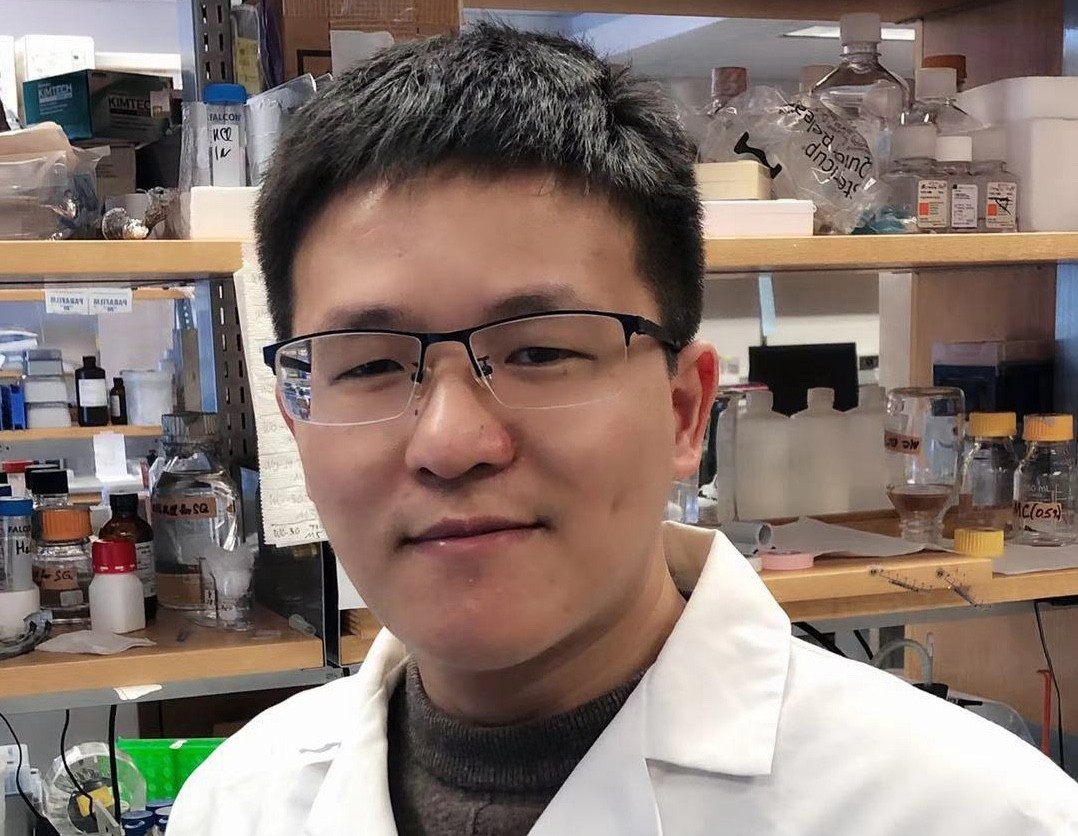
Recipient
University of Pennsylvania
Project summary
Ovarian cancer is the sixth leading cause of cancer death among women in developed countries. Clear cell ovarian cancer (CCOC) is a subtype of ovarian cancer that is mostly resistant to chemotherapy with limited treatment options. Investigating how CCOC are resistance to current therapies and developing new treatments with durable efficacy for CCOC is an unmet need and this proposal addresses this gap. ARID1A gene mutated in about 50% of CCOC leading to loss of functional ARID1A protein. ARID1A alters the DNA chromatin structure leading to the transcription of certain genes. We hypothesize that ARID1A loss increases the reliance on chromatin remodeling and DNA damage repair pathways for CCOC cell survival. We therefore propose that combination DNA damage inhibitor ATRi with BETi and other chromatin remodeling inhibitor will have better therapeutic effects in ARID1A mutant CCOCs in comparison to monotherapy. Through testing multiple drugs in a dug screen, our preliminary data revealed that BETi is the most active monotherapy in CCOC and combination BETi with ATRi is synergistic at lower dosing schedules in ARID1Amut (not ARID1A wildtype) CCOC. To further decrease the toxicity and increase the efficacy of combination, we propose the following Specific Aim 1: To identify the most active combination of DNA damage inhibitors with BET inhibitors and dosing schedule for CCOC with ARID1A loss. Specific Aim 2: To discover new chromatin modifier for ATRi combination to induce synthetic lethality in ARID1A mutated CCOCs by a using a novel technology called CRISPR-Cas9 screen in mutagenesis of functional protein domains. IMPACT: Our study may discover new and better therapies for CCOC with ARID1A loss. The goal is to move the most active combination treatment into clinical trial for patients.
This grant was made possible in part by a generous donation from The Lilly Family, in memory of Jennifer Lilly.